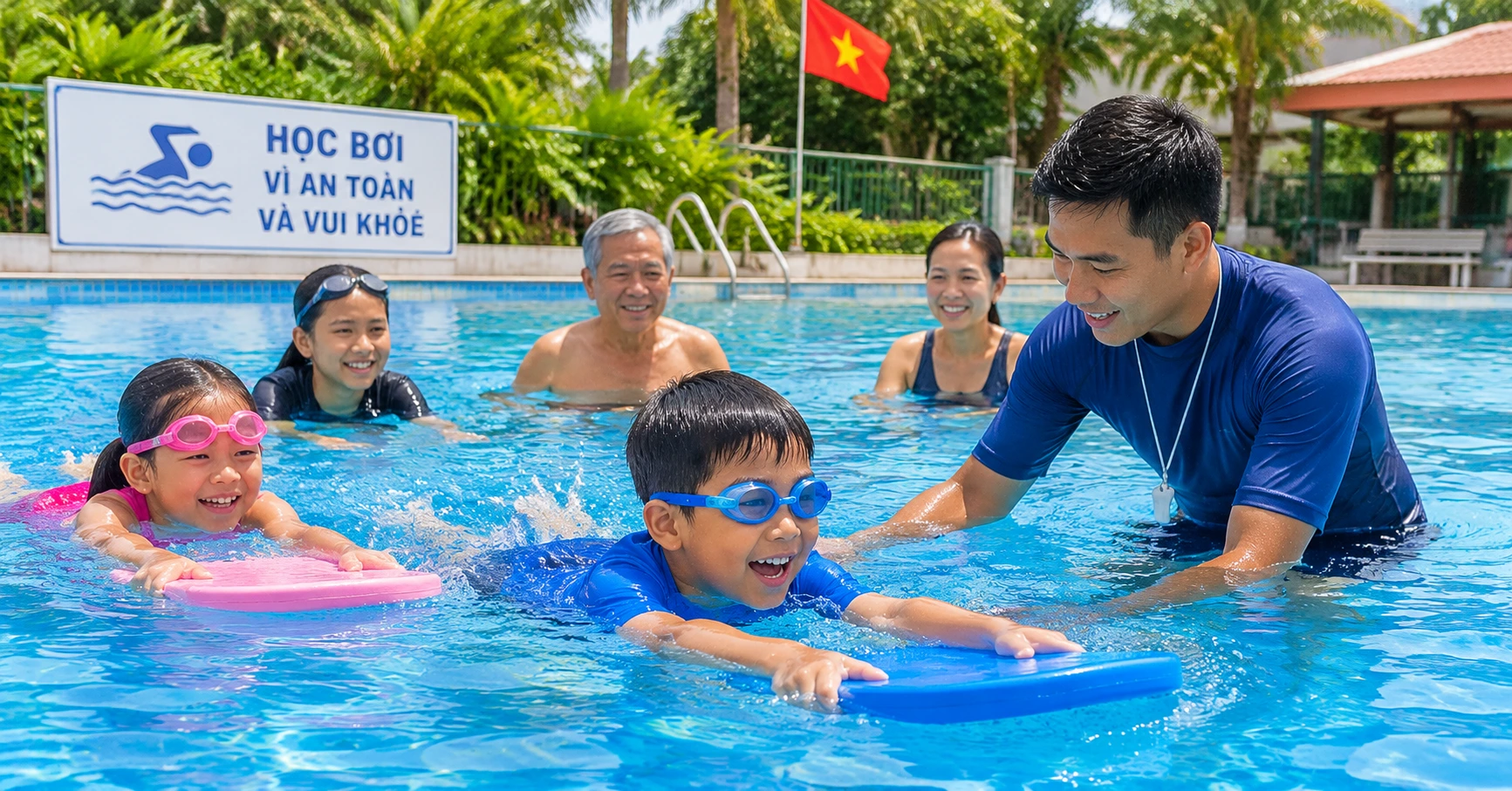
Guia Detalhado Aprender Natação para Bebês Segurança e Eficiência
Motivos para Aprender Natação para Bebês
O aprender natação para bebês não só ajuda a criança a desenvolver habilidades de vida importantes, como também contribui para fortalecer a saúde de forma integral. No Vietnã, o ensino de natação para crianças recebe cada vez mais atenção para reduzir acidentes por afogamento, ao mesmo tempo em que cria hábitos de atividade física e de condicionamento desde cedo. A cultura esportiva local também incentiva as crianças a aprender a nadar como uma habilidade essencial para participar de atividades ao ar livre e na praia.
Além disso, aprender natação para bebês também ajuda a criança a desenvolver autoconfiança, fortalecer a coordenação motora e melhorar as funções cardíaca e pulmonar. A natação é um esporte completo, que ajuda a criança a treinar resistência, flexibilidade e agilidade. Aprender a nadar desde cedo também ajuda a criança a se familiarizar com o ambiente aquático, reduzindo o risco de pânico ao enfrentar águas profundas ou situações de emergência.
Descubra como ensinar natação para bebês de forma segura e eficiente em hocboi hoje mesmo para que o bebê fique confiante na água.
Descubra como ensinar natação para bebês de forma segura e eficiente com 18win hoje mesmo!
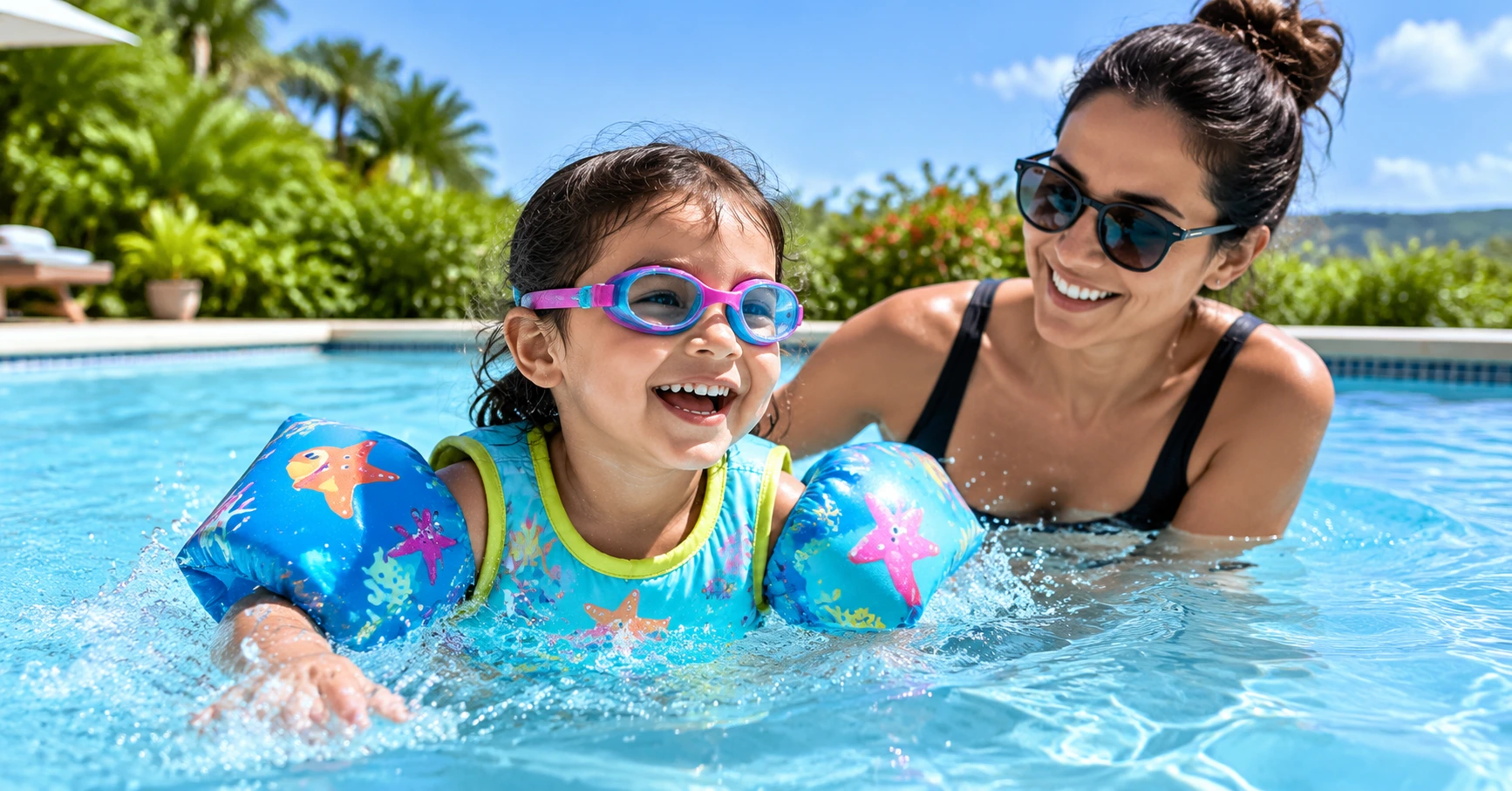
Não só isso, aprender natação para bebês também é uma oportunidade para a criança desenvolver habilidades sociais ao participar de aulas em grupo, fortalecendo a interação e a comunicação com os amigos. Isso também é a base para que a criança possa aprender mais técnicas de natação avançadas no futuro, ajudando a criança a se tornar um potencial nadador no futuro.
Como Aprender Natação para Bebês Eficiente
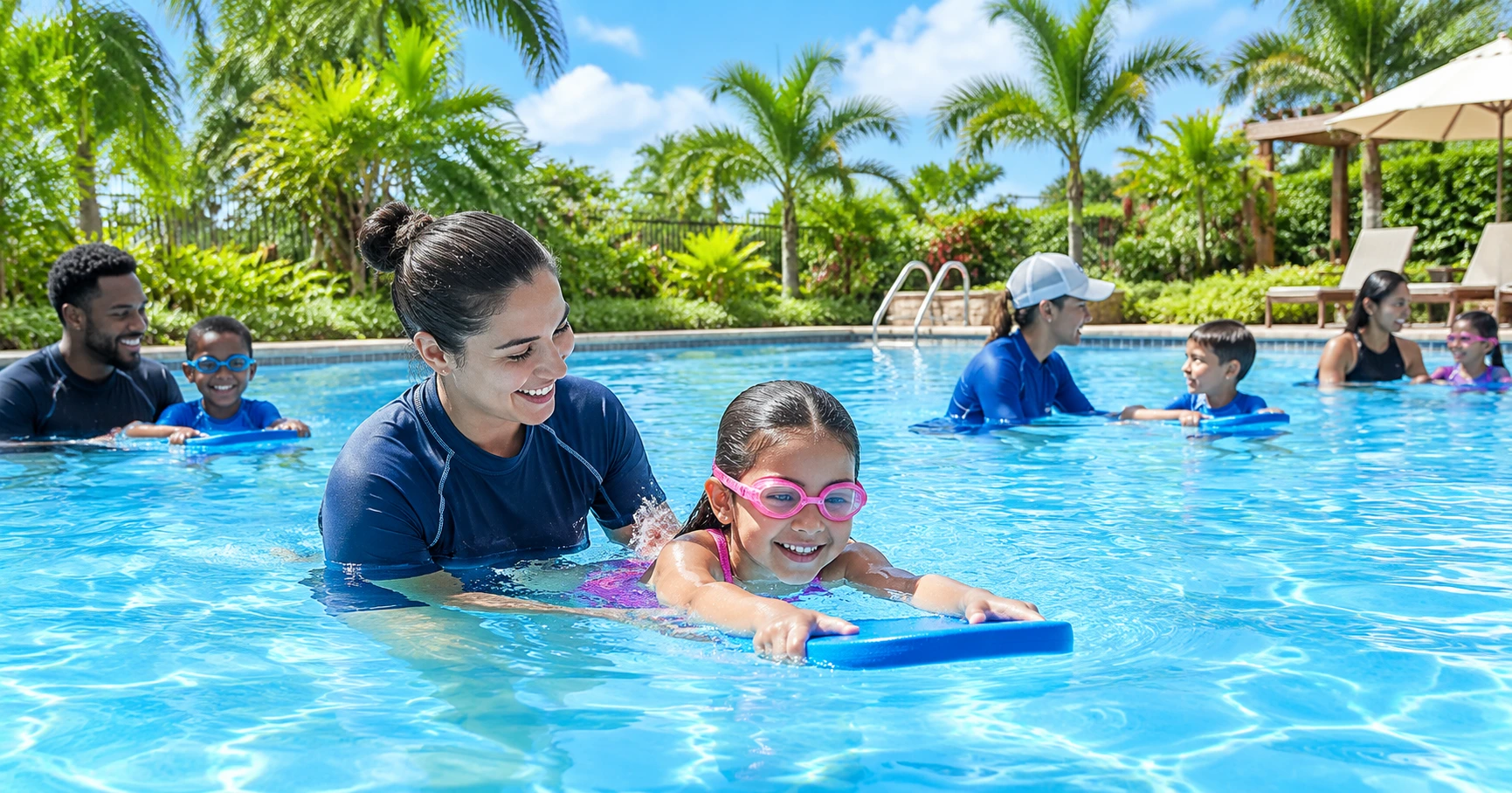
Para aprender natação para bebês obter bons resultados, pais e professores devem aplicar métodos de ensino de natação adequados à idade e à saúde da criança. Antes de tudo, crie um ambiente amigável e confortável para que a criança não tenha medo da água. O próximo passo é ajudar a criança a dominar técnicas de natação os fundamentos, como manter o equilíbrio, respirar corretamente e coordenar os movimentos dos braços e das pernas. Aumente gradualmente o tempo de prática e o nível de dificuldade para que a criança se familiarize com o ambiente aquático com segurança.
Preparação Antes de Colocar o Bebê para Aprender a Nadar
- Escolha um local de natação seguro, com professores profissionais.
- Prepare suitable swimwear, swimming goggles, and a swim cap.
- Help your child get used to the water with simple games.
- Check their health and make sure they do not have a cold before getting into the water.
- Explain the water safety rules to your child so they develop awareness of how to protect themselves.
A Breakthrough in Learning to Swim
Introduce skill exercises such as blowing bubbles underwater, balancing, and practicing treading water so children feel more confident moving in the water. Practicing treading water helps children develop body control and a sense of water depth, thereby increasing safety while swimming.
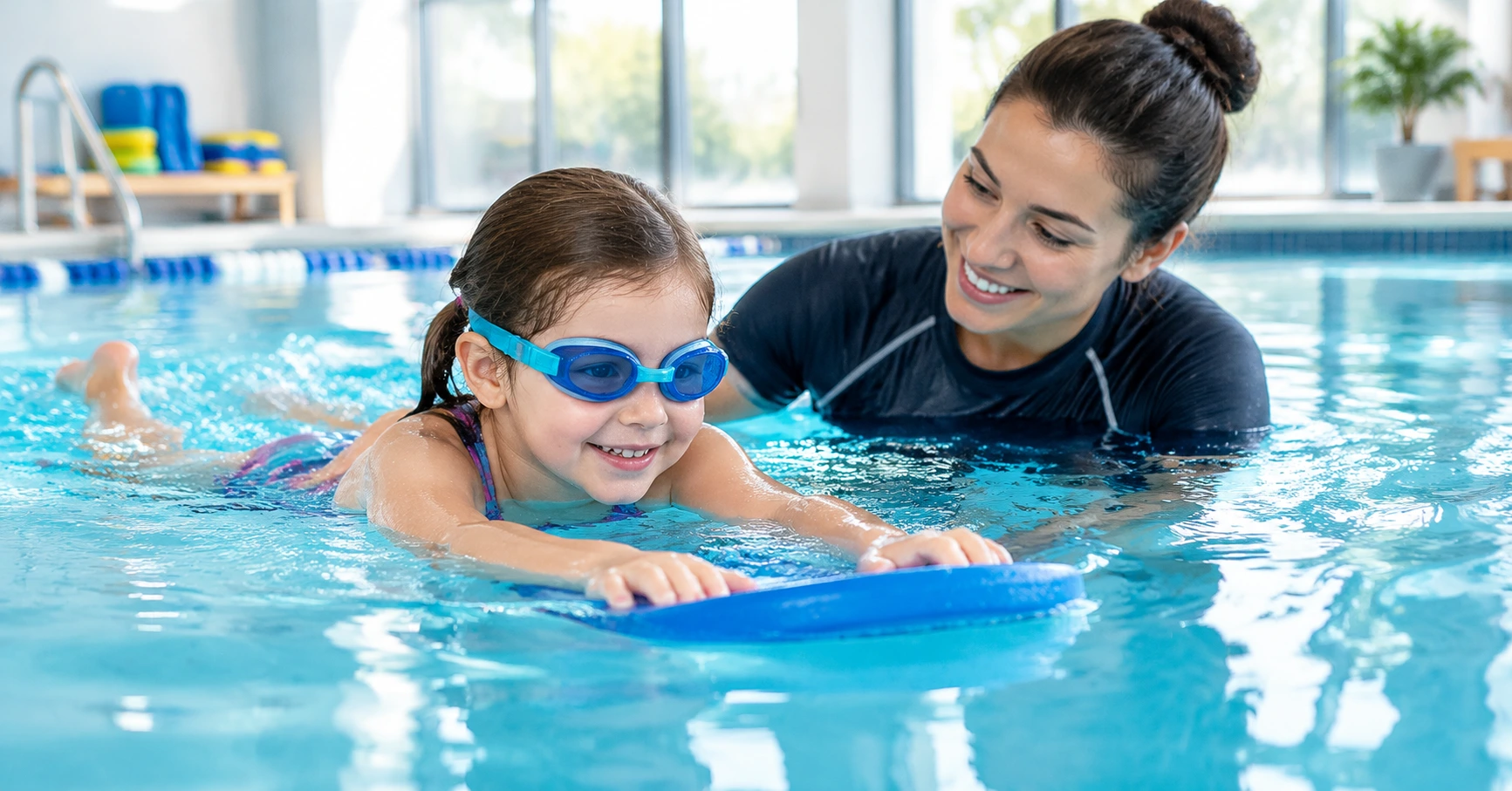
In addition, combining water games helps children reduce pressure, create excitement, and maintain long-term learning motivation. Parents should be patient and encourage children every time they complete a new skill, helping them feel proud and want to keep learning.
Basic Técnicas de Natação For Children
Children usually start with técnicas de natação simple ones such as freestyle, breaststroke, and backstroke. Each swimming style has its own techniques that help children develop muscle strength and improve their ability to breathe underwater.
Freestyle helps children strengthen their arm and leg muscles, while also learning how to coordinate the kicking legs and the arm strokes smoothly. Breaststroke is the most common style for beginners because the leg and arm movements are relatively simple and easy to remember. Backstroke helps children learn to breathe evenly and keep their balance on the water's surface.
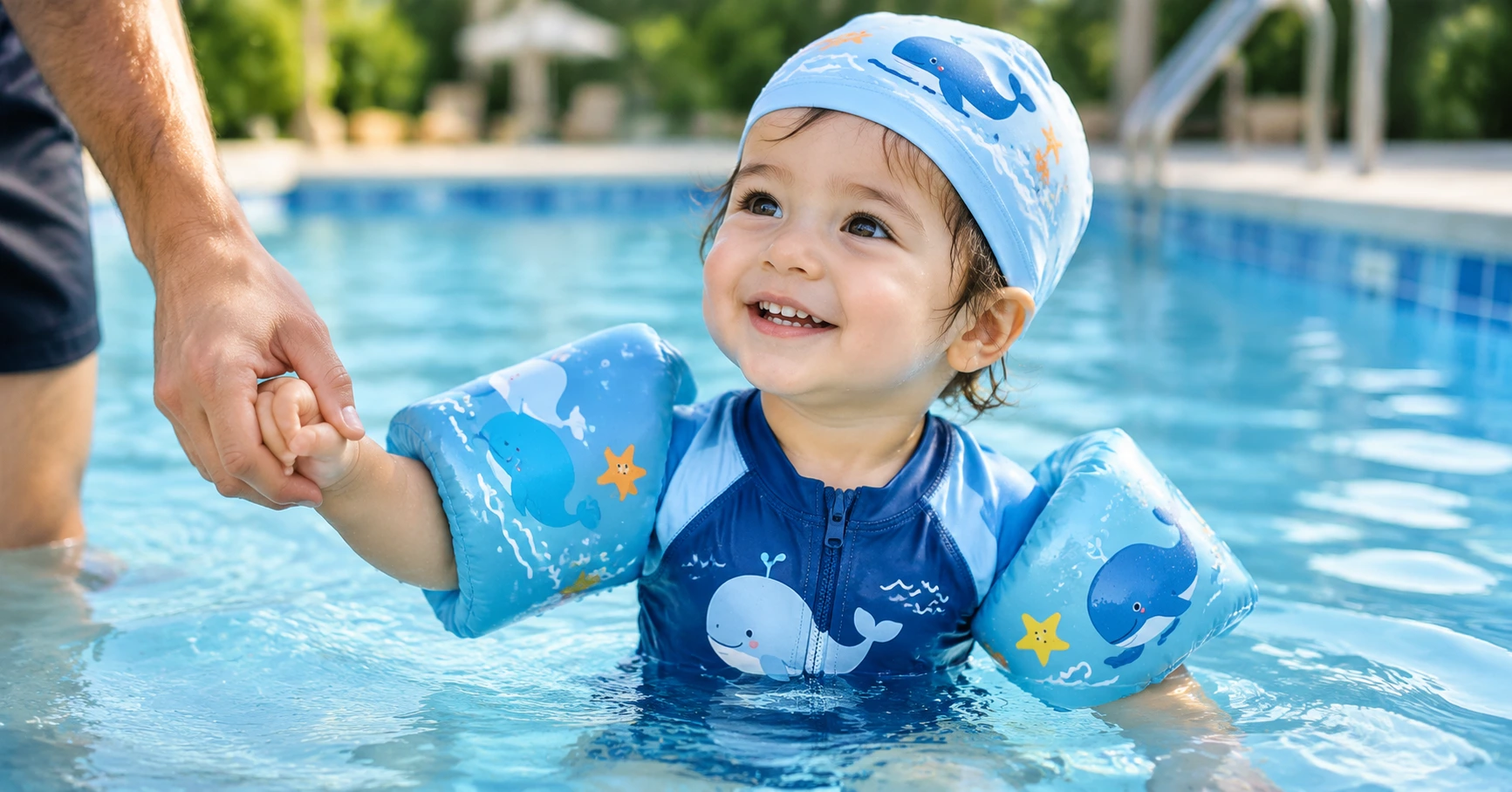
Learning the técnicas de natação basics not only helps children move safely on the water's surface but also lays the foundation for developing more advanced swimming techniques in the future. Parents should encourage children to practice regularly to improve their skills and health.
Learn More Natação Vertical For Children
Treading water is a technique that helps children keep their balance and stay upright in the water without sinking. This is an important skill that helps children feel safe and control their bodies when in deep water.
Skill treading water is often taught alongside other swimming techniques. Children will learn how to kick gently to keep their bodies upright, while using their hands to maintain balance or move slowly in the water. Mastering this technique helps children feel more confident when swimming in deep water or when they need to rest between swims.
Parents and teachers should guide children to practice treading water from the basic steps, combined with breathing exercises and staying calm in the water. This is also an essential skill so children can save themselves or help others in emergency situations.
Comparison Aprender Natação para Adultos and Children
Although adult swimming lessons and children both rely on basic technical principles, children need a gentler, more patient approach. Adults usually learn to improve health or train professionally, while children learn to develop life skills and safety.
Adult swimming lessons usually focus on improving endurance, refining swimming technique, and preparing for competitions or sports activities. Meanwhile, aprender natação para bebês focuses more on getting used to the water, building confidence, and ensuring safety while swimming.
The teaching methods also differ: children need patience, games, and gentle exercises so they do not feel pressured or afraid of water. Adults may learn faster and focus on more advanced techniques. However, both groups need professional guidance and a safe swimming environment to achieve optimal results.
Schedule Aprender Natação para Bebês Suitable
Building a schedule aprender natação para bebês scientifically helps children avoid fatigue and maintain learning interest. Each practice session should last from 30 to 45 minutes, with 2 to 3 sessions per week being ideal.
Parents should flexibly adjust the learning schedule based on the child's health and mood, avoiding forcing children when they feel tired or uninterested. In addition, alternating swimming lessons with rest time and other sports activities helps children develop more comprehensively.
In addition, tracking swimming progress through each stage helps parents and teachers adjust teaching methods to improve learning effectiveness. Skills such as how to swim safety, breathing technique, and arm-leg coordination need to be reinforced regularly throughout the learning process.
| Youth | Tempo de Aprendizado | Objetivo de Habilidades | Local Adequado | Método de Ensino |
|---|